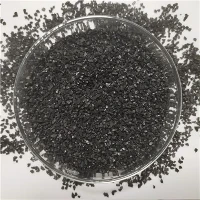


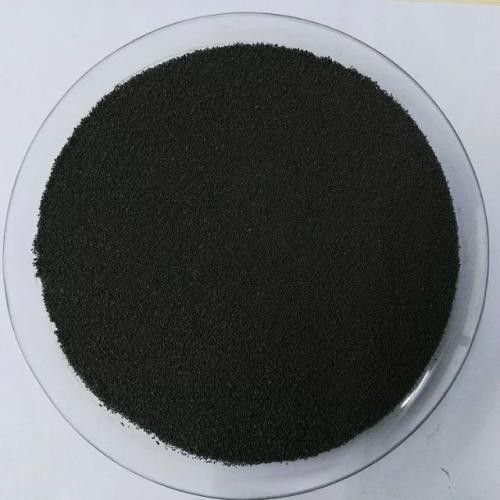
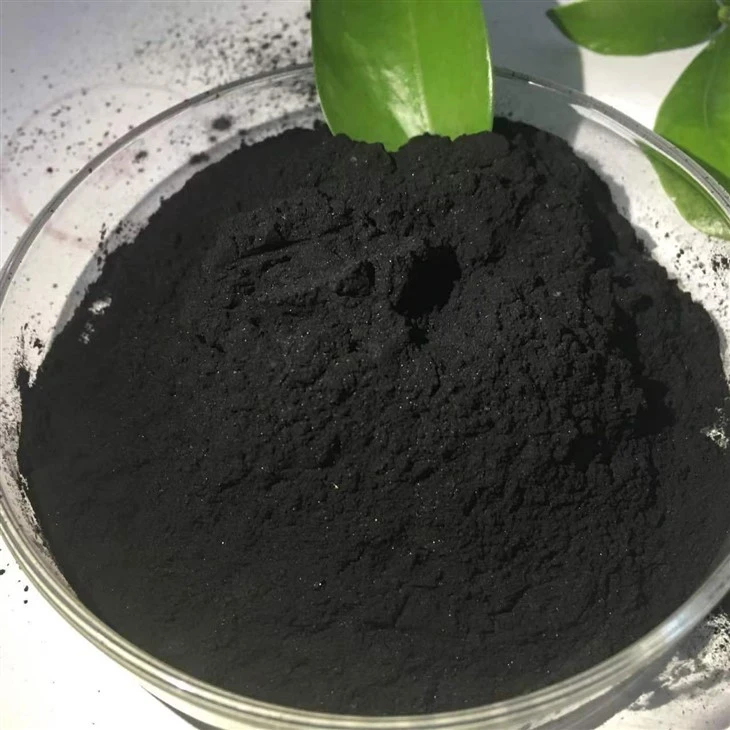
Activated carbon is a specially treated carbon that heats organic raw materials (fruit shells, coal, wood, etc.) under air-isolated conditions to reduce the non-carbon component (a process called carbonization), which then reacts with gases and the surface is eroded to produce microporous structures (this process is called activation).
Since the process of activation is a microscopic process, that is, the surface erosion of a large number of molecular carbides is punctate erosion, so the activated carbon surface has countless fine pores. The micropore diameter of the surface of activated carbon is mostly between 2 and 50 nm, even if a small amount of activated carbon, there is a huge surface area, the surface area of each gram of activated carbon is 500 ~ 1500 m2, all applications of activated carbon, almost all based on this feature of activated carbon.
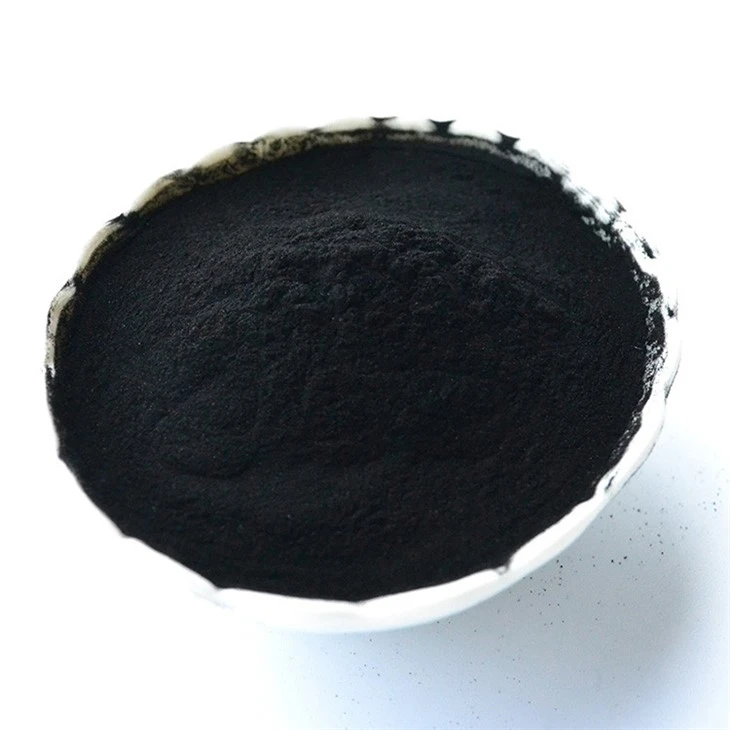
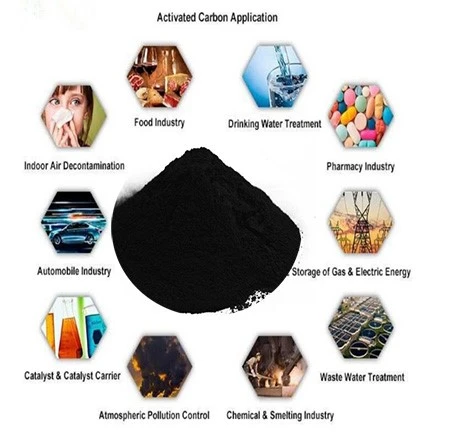
Powder activated carbon is made from high-quality wood shavings, coconut shells, and coal through a series of production processes. Powder activated carbon has the advantages of fast filtration speed, good adsorption performance, strong decolorization and odor removal ability, and economic durability. Its products are widely used in industries such as food, beverage, medicine, tap water, sugar, and oil, and are also widely used in fields such as brewing, sewage treatment, power plants, and electroplating.
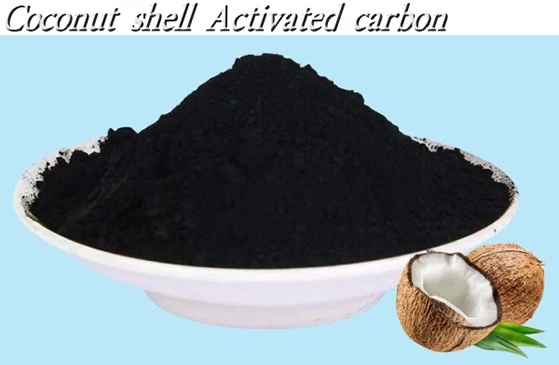
1. Activated carbon for beverages
2. Activated carbon for water treatment
3. Activated carbon for food and food additives such as sugar and oil
4. Activated carbon for amino acids (monosodium glutamate)
5. Injection and medicinal activated carbon
6. Activated carbon for electroplating
This product is made from wood or coconut shell as raw materials and is refined by physical steam high-temperature activation. It comes in two types: granular and powder. It has advantages such as large specific surface area, strong adsorption capacity, high mechanical strength, abundant oxygen genes on the surface, and strong enthusiasm. It can be used for purification treatment of electroplating solutions, treatment of chromium electroplating wastewater, treatment of cyanide containing wastewater, and other purposes.
7. Waste incineration activated carbon
1. Activated carbon is a porous adsorbent, so it must be absolutely prevented from water immersion during transportation, storage, and use. After water immersion, a large amount of water fills the active pores, making it ineffective.
2. During the use of activated carbon, tar like substances should be prohibited from entering the activated carbon bed to avoid clogging the pores of the activated carbon and causing it to lose its adsorption effect.
3. When storing or transporting activated carbon, prevent direct contact with ignition sources to prevent ignition.